
First 100 Videos Starter Plan
Start a faceless YouTube channel with a practical digital guide to choosing your niche, building a steady workflow, and working toward your first 100 videos.
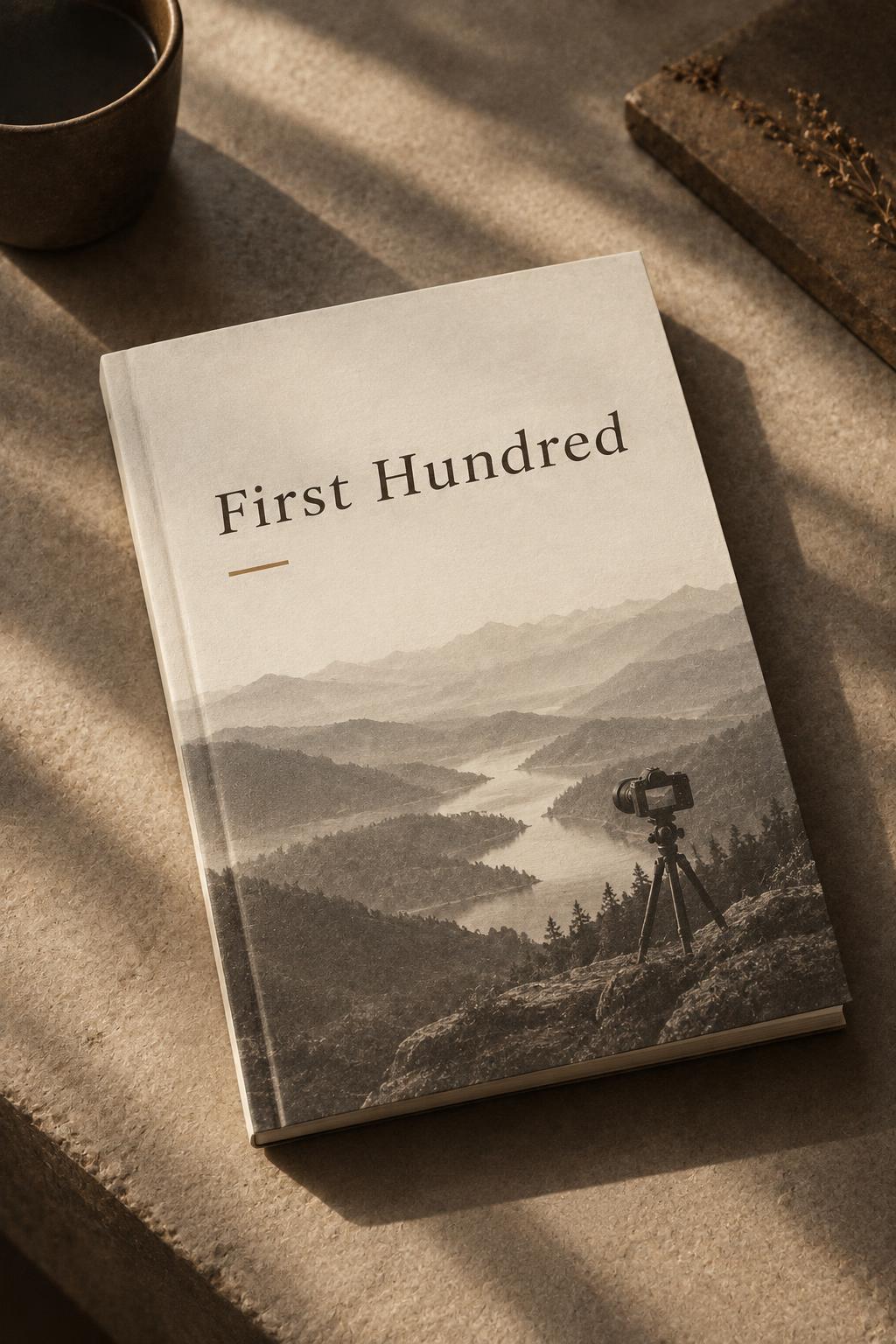
First 100 Videos Starter PlanBy Arjun
Choose a niche you can stay with.
Build a workflow from script to thumbnail.
Learn to give each video a clear angle.
Start with substance.
Make each video worth watching.
By Arjun
From niche selection to monetization basics
First 100 Videos Starter Plan
A faceless channel still needs a clear point of view. Start with a topic you can stay interested in for a year. A thumbnail and title pair that gets clicks matters more than the video's polish. Publish, check what holds attention, and make more of what works.
Build your channel with intention
Six foundations for getting started.

Choose your niche
Balance lasting interest, search demand, and advertiser appeal. Check small channels for signs that people already want the topic.

Find your format
Compare voiceover, screen recordings, animated explainers, and text-on-screen videos. Choose a format you can keep making.

Build your workflow
Work through scripts, voice, footage, editing, and thumbnails. Open with a hook in the first 10 seconds.

Launch with consistency
Publish 5 to 10 videos before judging the channel. Aim for 1 to 2 uploads a week and keep to it.

Learn from performance
Check click-through rate and retention. Make more videos like the ones that earn clicks and hold attention.

Understand monetization
Learn the basics of ads, affiliate links, sponsorships, and digital products. Check YouTube's current eligibility thresholds before planning around them.
Keep making.
Get the guide →A look inside
Five parts, from choosing to improving.
1. Pick a niche
Choose a topic you can stay interested in for a year, that people search for, and that advertisers value. Check 5 to 10 small channels for videos with strong demand.
Get the guide →2. Choose a format
Voiceover over stock footage or images is the easiest starting point. Screen recordings, animated explainers, and text-on-screen videos offer other ways to make a faceless channel.
Get the guide →3. Set up your workflow
Write your script yourself, or draft with Claude and edit hard. Build a repeatable process for voice, footage, editing, and thumbnails; make the first 10 seconds count.
Get the guide →4. Launch
Publish 5 to 10 videos before you judge the channel. Keep a steady posting cadence and write titles around a specific question or promise, not a vague topic.
Get the guide →5. Grow and monetize
Check which videos get the best click-through rate and retention, then make more like them. Explore income beyond ads, and make sure each video adds real value or a clear angle.
Get the guide →Ready to choose your direction?
Start with a niche, choose a format, and build a workflow you can keep using.
- A topic with lasting interest
- A clear promise for each video
- A steady publishing rhythm
First 100 Videos Starter PlanBy Arjun
Your starting point
One payment for a digital guide covering the foundations of starting a faceless YouTube channel.
- Niche selection and demand checks
- Faceless video format options
- Script-to-thumbnail workflow
- Launch cadence and channel basics
- Click-through rate and retention checks
- Monetization basics and content cautions
Before you begin
Who is this guide for?
People starting faceless YouTube channels who want help choosing a niche and building a steady production workflow.
Who is it not for?
It is not a plan for mass-produced, repetitive, low-effort content. Each video needs real value or a clear angle.
How often should I publish?
The plan recommends 1 to 2 videos a week. Publish 5 to 10 before judging the channel, then use performance to guide what comes next.
Do I need to use AI?
No. Write scripts and record your voice yourself, or use AI tools with careful editing. Disclose AI-generated or altered content where YouTube requires it.
What about footage and music?
Avoid copyrighted footage and music you do not have permission to use. The plan points to footage sources and your own screen captures.
The person behind the plan

Arjun, maker of the guide
Arjun runs First Hundred. His start-to-first-100-videos plan brings niche selection, production choices, launch cadence, and growth checks into one practical starting point for aspiring faceless creators.
- Niche selection
- Video workflow
- Launch planning
A clear angle. A steady practice.
Build trust, one idea at a time.
Choose a topic worth staying with. Make each video useful. Let what you learn shape the next one.